Egypt

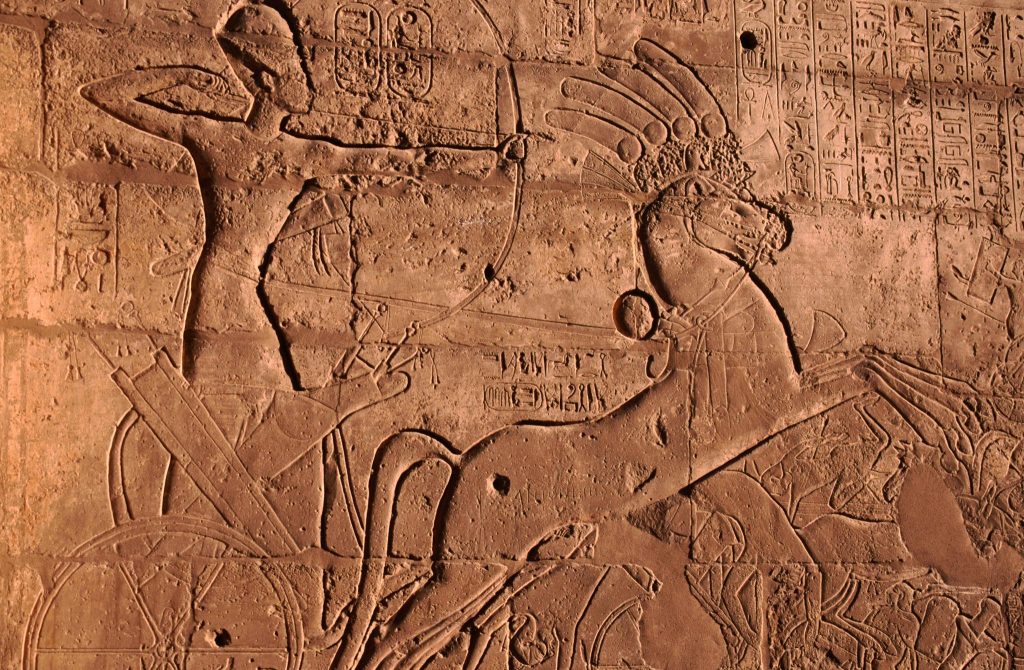
ancient Egyptian relief of Ramesses II symbol of power and control of knowledge
Egypt, Historia y Poder

When Soldiers Return Home

A reflection on how states receive their soldiers after war, from the homeless veterans of today’s United States to the land grants of Rome and the cosmic order of ancient Egypt.

People harvesting reeds from small traditional boats along the Nile River in Egypt
Egypt, Nile History

Birth, Health, and the Nile: How Ancient Egypt Understood Life

An encounter with a small book on childbirth in ancient Egypt opens a broader reflection on how Egyptians understood life more than four thousand years ago. Long before Greek and Islamic medical traditions, physicians along the Nile were already connecting health with environment, family stability, fertility, and the observation of the human body. The Nile itself emerges as the silent foundation of one of the earliest medical cultures in human history.

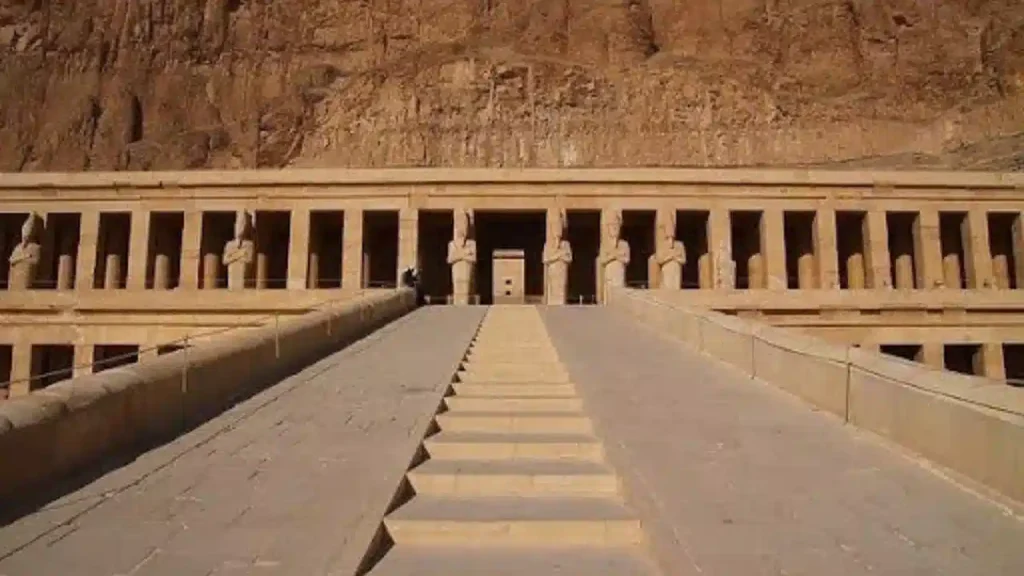
Templo de Hatshepsut en Deir el-Bahari en Luxor, ejemplo de estabilidad política y arquitectura del poder en el antiguo Egipto
Egypt, Historia y Poder

El Nilo y el poder

Tres faraones separados por siglos —Pepi II, Hatshepsut y Akhenatón— revelan cómo el poder puede debilitar un Estado, reconstruirlo o ponerlo en peligro. Un recorrido por casi seis mil años de historia política desde el antiguo Egipto hasta las democracias modernas.

Reloj de arena al atardecer como símbolo del paso del tiempo y su percepción cultural
A Life of Discovery, Egypt

La obsesión moderna por el tiempo y lo que el Antiguo Egipto ya había entendido

La obsesión moderna por la puntualidad y el orden perfecto no es tan racional como creemos. El Antiguo Egipto ya había desarrollado sistemas complejos para gestionar información y tiempo sin rigidez absoluta. Entre el reloj europeo y el ritmo del Nilo existe una diferencia cultural profunda que todavía hoy define sociedades enteras.

Scroll to Top