
Ain Jalut — When Expansion Met Structure
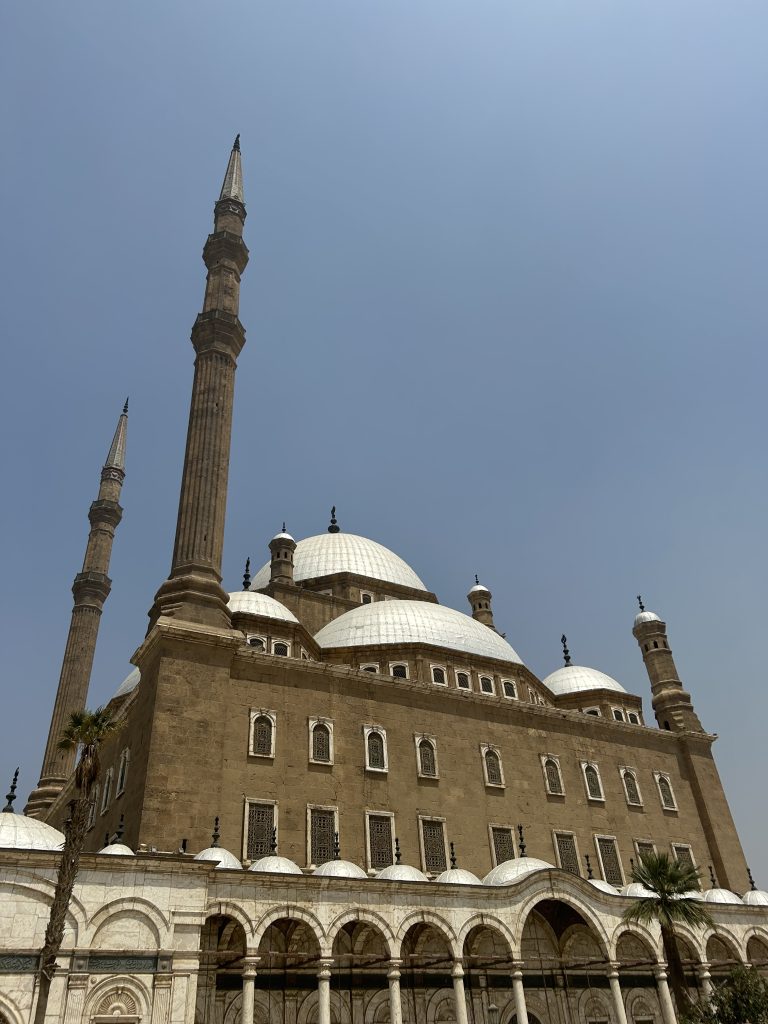
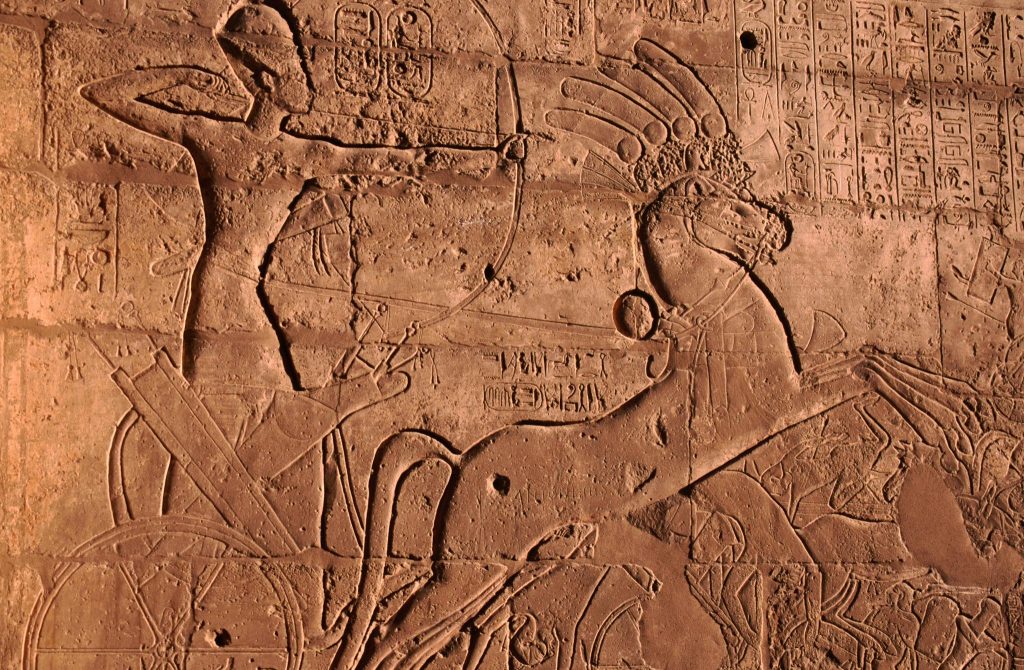
Egypt, under the Mamluks, stopped the Mongol war machine at Ain Jalut in 1260. A reflection on Baghdad, Cairo, violence, military structure, and the former slaves who imposed a limit on expansion.
El control del conocimiento nunca fue neutral. Del Egipto antiguo a la inteligencia artificial, el poder siempre ha seguido la misma lógica.
Egipto no decepciona. Lo que falla es el modelo de viaje impuesto por macro-agencias, que transforma el viaje en consumo rápido y superficial, alejándolo de su verdadera naturaleza: comprender, habitar y experimentar un lugar.
A reflection on how states receive their soldiers after war, from the homeless veterans of today’s United States to the land grants of Rome and the cosmic order of ancient Egypt.
An encounter with a small book on childbirth in ancient Egypt opens a broader reflection on how Egyptians understood life more than four thousand years ago. Long before Greek and Islamic medical traditions, physicians along the Nile were already connecting health with environment, family stability, fertility, and the observation of the human body. The Nile itself emerges as the silent foundation of one of the earliest medical cultures in human history.
Tres faraones separados por siglos —Pepi II, Hatshepsut y Akhenatón— revelan cómo el poder puede debilitar un Estado, reconstruirlo o ponerlo en peligro. Un recorrido por casi seis mil años de historia política desde el antiguo Egipto hasta las democracias modernas.
La obsesión moderna por la puntualidad y el orden perfecto no es tan racional como creemos. El Antiguo Egipto ya había desarrollado sistemas complejos para gestionar información y tiempo sin rigidez absoluta. Entre el reloj europeo y el ritmo del Nilo existe una diferencia cultural profunda que todavía hoy define sociedades enteras.