
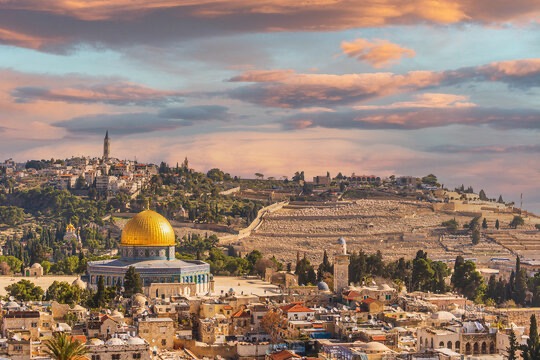
Palestine, Historical Memory and the Moral Limits of Power
Under international law, humanitarian flotillas invoke principles older than modern geopolitics itself: civilian populations cannot be collectively abandoned to hunger, siege or permanent deprivation. Whatever governments may think about the political symbolism surrounding such missions, the public humiliation of detainees and the transformation of suffering into political spectacle reveal something deeper about the moral condition of states.
States are temporary structures of power. Civilizations are measured by the values they preserve under power.
History has already seen this path before.
Rome and the Birth of Humiliation as Entertainment
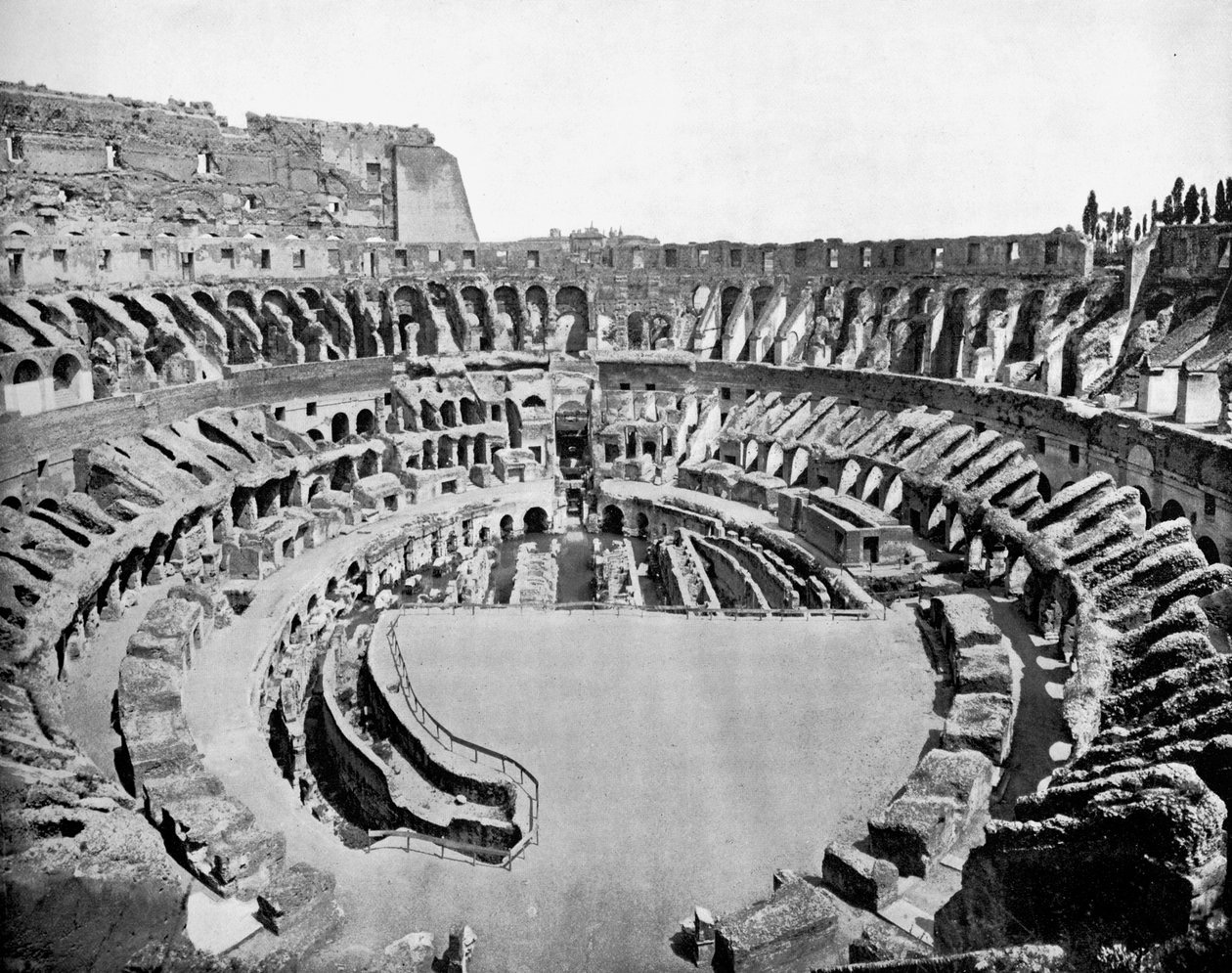
Rome understood very early that fear could be transformed into spectacle. Between the final centuries of the Roman Republic and the height of the Empire — roughly from the first century BCE to the second century CE — triumphs became carefully staged rituals of domination. Conquered peoples were paraded publicly through Rome in chains, humiliated before crowds and often reduced afterward to slavery or forced combat in gladiatorial arenas.
Humiliation itself became entertainment.
The spectacle was designed not merely to celebrate victory, but to psychologically break resistance and normalize domination before entire populations.
Centuries later, the Crusades between the eleventh and thirteenth centuries introduced another layer of violence justified through sacred language. Cities were devastated, populations massacred and humiliation transformed into a political instrument legitimised by religious certainty.
Colonial Powers and the Industrialisation of Dehumanisation
Modern colonial powers would later reproduce similar mechanisms of domination on an industrial scale.
British India and Persia: Hunger Inside Imperial Strategy
In British India, the Bengal famine of 1943 caused the deaths of between roughly 2 and 3 million people while the British Empire continued prioritising wartime logistics and imperial strategy elsewhere. Critics of Winston Churchill’s wartime policies have long argued that imperial decisions worsened the catastrophe by restricting food redistribution and prioritising military concerns over civilian survival.
Earlier in the twentieth century, Persia itself experienced another catastrophic famine between 1917 and 1919 during the final years of World War I. Modern historical estimates vary widely, but millions are believed to have died across parts of the country through famine, disease and wartime collapse aggravated by foreign occupation pressures and imperial logistical priorities imposed during the conflict.
Long before modern states spoke the language of human rights, millions were already dying not on battlefields, but through hunger administered within imperial systems.
Earlier still, during the repression following the Indian Rebellion of 1857, collective punishment and public executions demonstrated how rapidly colonial authority could descend into organised terror.
French Colonial Expansion
French colonial expansion across Africa and the Middle East followed similar patterns of dehumanisation. During the conquest and “pacification” of Algeria in the nineteenth century, hundreds of thousands of Algerians died through massacres, forced displacement, famine and scorched-earth policies. Colonial violence was repeatedly justified as civilisation while entire populations were treated as obstacles to imperial order.
Belgium and the Congo
Belgium’s rule over the Congo between 1885 and 1908 became one of the clearest examples of industrial colonial brutality. Under King Leopold II’s personal rule, forced labour, mutilations, executions and terror contributed to the death of millions of Congolese. Entire communities disappeared within a remarkably short historical period. The mutilation of workers, including children, became one of the most horrifying symbols of a colonial system where humiliation and terror themselves functioned as administrative policy.
The United States
The United States, despite being born from anti-colonial revolution, would itself reproduce cycles of expansion and destruction. Throughout the nineteenth century, Native American populations were displaced, devastated and in some cases effectively erased as territorial expansion advanced westward. Entire peoples disappeared from history through war, forced relocation, disease and systematic destruction of their social structures.
During the Vietnam War between the 1950s and 1975, entire villages were destroyed under the logic of geopolitical containment.
In Iraq after 1991 and especially after the invasion of 2003, sanctions, occupation, torture scandals such as Abu Ghraib and the destruction of civilian infrastructure revealed once again how easily modern power can normalize collective humiliation in the language of security and democracy.
History repeatedly demonstrates the same dangerous mechanism: once populations are sufficiently dehumanised, humiliation becomes easier to justify publicly and eventually easier to transform into spectacle.
The Mongols and the Theatre of Terror
Yet perhaps no medieval force embodied the theatre of terror more visibly than the Mongol invasions of the thirteenth century. Medieval Europe feared the Mongols not only because cities were destroyed, but because terror itself became a deliberate language of domination.
Fear was staged publicly.
Entire populations were psychologically broken before military defeat even arrived.
In 1260, at the Battle of Ain Jalut in the lands of present-day Palestine — then under the military authority of the Egyptian Mamluks — the Mongol expansion toward Africa and the Arab world was halted for the first time.
Yet history produced another irony. Over time, many Mongol elites themselves integrated into the civilizations they had once devastated, absorbing Persian traditions and eventually Islam across large parts of the Middle East.
Conquest may destroy cities.
Civilization transforms conquerors.
Egypt, Cyrus and Umar: The Other Historical Tradition
History, however, also preserves another political tradition.
Egypt and the Permanence of Civilizations
Long before modern Europe emerged politically, Egypt had already mastered monumental continuity, symbolic statecraft and the integration of successive peoples, dynasties and beliefs across millennia. Foreign rulers arrived and disappeared, religions transformed and empires collapsed around it, yet Egypt preserved something far mor