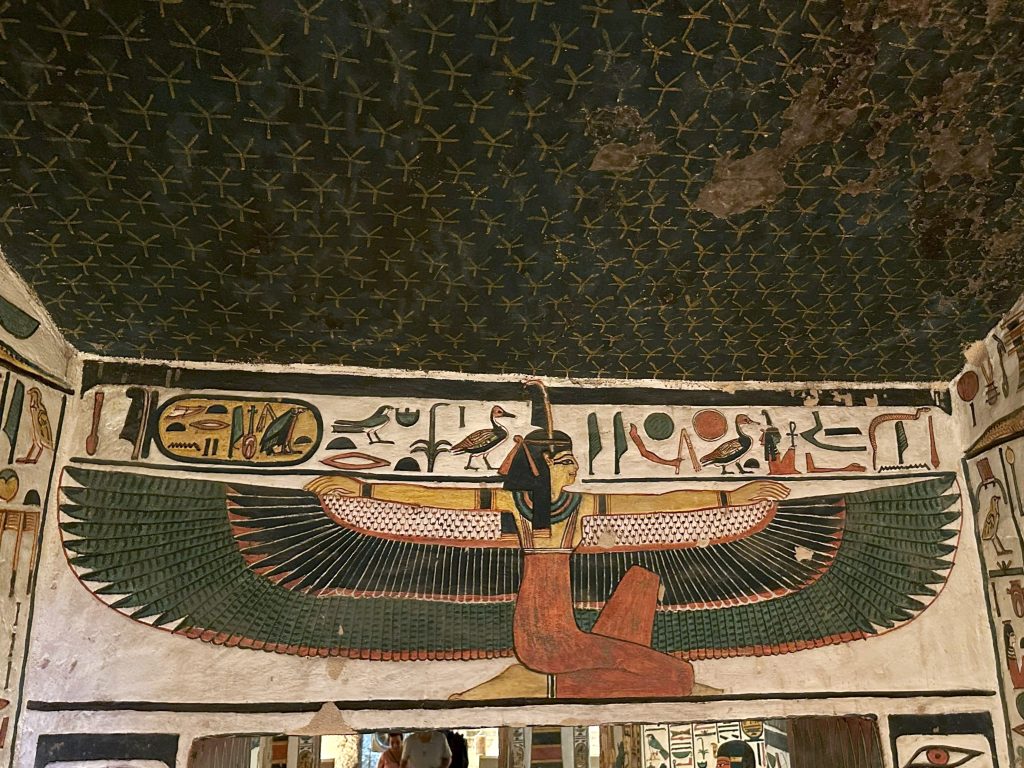
When Soldiers Return Home
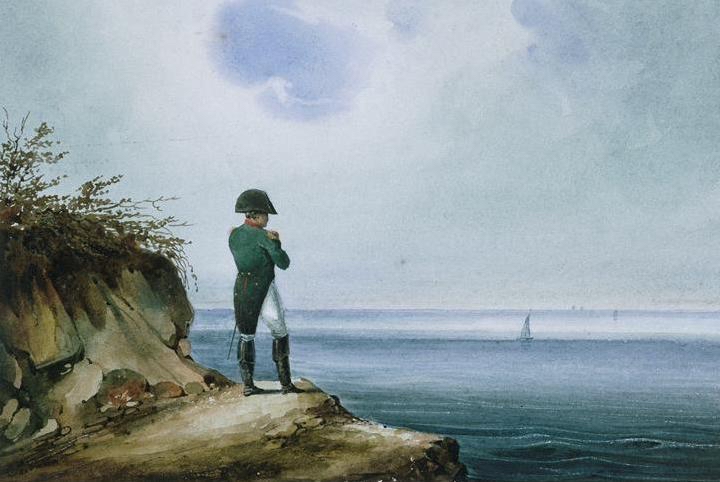
A reflection on how states receive their soldiers after war, from the homeless veterans of today’s United States to the land grants of Rome and the cosmic order of ancient Egypt.
An encounter with a small book on childbirth in ancient Egypt opens a broader reflection on how Egyptians understood life more than four thousand years ago. Long before Greek and Islamic medical traditions, physicians along the Nile were already connecting health with environment, family stability, fertility, and the observation of the human body. The Nile itself emerges as the silent foundation of one of the earliest medical cultures in human history.
Tres faraones separados por siglos —Pepi II, Hatshepsut y Akhenatón— revelan cómo el poder puede debilitar un Estado, reconstruirlo o ponerlo en peligro. Un recorrido por casi seis mil años de historia política desde el antiguo Egipto hasta las democracias modernas.
A personal, city-anchored journey from 1914 to 2026, using Baghdad and Cairo as “witness cities” to show how imperial treaties, mandate borders, and great-power strategy transformed a plural region into a permanent crisis.
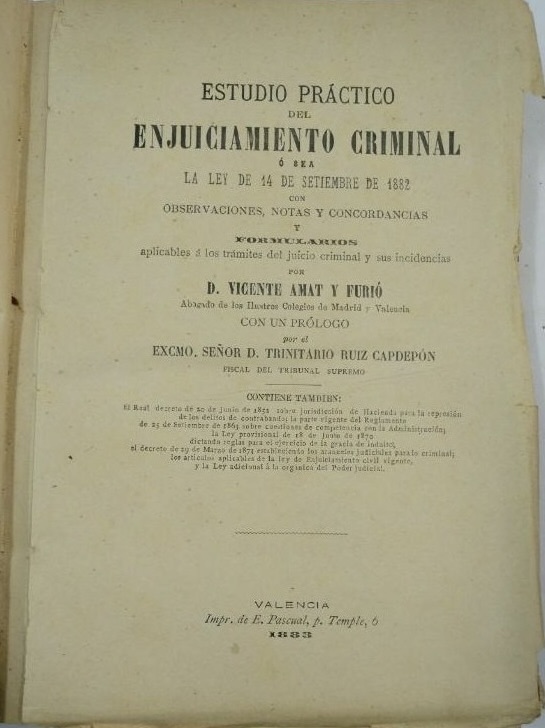
A historical and constitutional look at advocacy as “standing beside” the accused, from ancient legal traditions to 20th-century constitutional safeguards, and what modern executive pressure on law firms reveals about the rule of law.
La obsesión moderna por la puntualidad y el orden perfecto no es tan racional como creemos. El Antiguo Egipto ya había desarrollado sistemas complejos para gestionar información y tiempo sin rigidez absoluta. Entre el reloj europeo y el ritmo del Nilo existe una diferencia cultural profunda que todavía hoy define sociedades enteras.
Una reflexión desde el principio egipcio de Maat hasta la inteligencia artificial contemporánea sobre el equilibrio entre poder, tecnología y responsabilidad humana, explorando cómo las herramientas nunca contienen el bien ni el mal, sino que es el corazón humano quien decide el peso de la balanza.
Recent scientific discoveries reveal that an extinct branch of the Nile once flowed beside Egypt’s pyramids, enabling their construction. This article explores how rivers shape civilizations, from ancient engineering to modern challenges facing the Nile today.
A minor navigational incident on the Nile reveals a larger tension between tourism, environmental responsibility, and centuries of accumulated river knowledge in Upper Egypt.
La inteligencia artificial no amenaza por autonomía sino por concentración de poder. Desde los escribas egipcios hasta la era digital, el verdadero riesgo nunca fue la herramienta, sino quién controla su acceso, sus reglas y sus beneficios.